 (833) 227-6773
  info@acpmp.org
  751 Sproul Road #1057, Springfield, PA 19064
 💛 “Patience with suffering became fuel for hope and optimism.” 💛
John Majewski’s 7+ year journey with stage 4C appendix cancer is one of strength, faith, and resilience. With his wife Mary by his side, he’s faced each challenge with grace, determination, and deep gratitude. From chemo to clinical trials, and even building a “Gratitude Grotto” as a labor of love—John’s story is a powerful reminder that there is always hope.
April 2025
Our cancer journey started over 7 1⁄2 years ago, at least that’s when I received my diagnosis of stage 4C mucinous adenocarcinoma of the appendix. We continue to fight relentless metastases, most particularly in my lungs. “Our” means my wife, Mary, and I. Caretakers deserve so much recognition for the vital role they play. They absorb a great deal of emotional pain and suffering yet tirelessly show strength in our moments of need. Mary has been a great blessing to me. Our story is one of many blessings, hope and gratitude rooted in deep faith and encouraged by continuous advances in medical research.
Laparoscopy to excise my perforated appendix in 2017 turned into an open surgery to remove a large mass of tumors that was once my appendix. The general surgeon described it as “a mess in there”. I was fortunate to have an amazing complex surgical oncologist with MOAS experience in my health network, Dr. Darius Desai at SLUHN. My CEA level was <0.5 so there was hope for minimal metastasis.
Far from it, as it turned out CEA initially wasn’t a valid tumor marker for me. The right hemicolectomy and cytoreduction were extensive including an omentectomy, bowel resection, cholecystectomy and tedious resection of numerous mucinous tumors inside my abdominal cavity, including on my right kidney and liver prior to HIPEC. Of the 30 lymph nodes that were removed, only ONE was positive for cancer, nonetheless, it was a portal that advanced metastasis to my lungs.
It was during my time in ICU that I began learning to have patience with suffering. On multiple occasions when my pain was extraordinarily intense, or my body felt like it was on fire, I would experience moments of amazing peace and tranquility. I believe in the power of prayer and know many were praying for me – especially during those moments. Mary simply holding my hand also brought me peace during difficult times. My intense pain and discomfort eventually would subside to a manageable level with the meds. Perhaps not as fast as I wanted, but it always did.
That realization formed the basis of my mindset for the rest of my journey, however long that may be. Patience with suffering became fuel for hope and optimism, strength for perseverance and a catalyst for gratitude. What a tremendous blessing I was granted to truly experience joy in suffering! I certainly needed that in the years to come.
Numerous small bi-lateral lung nodules were observed before I started my first course of chemo, the standard FOLFOX+(Avastin) at the time. Only four continued to grow through chemo, two in each lung, making SBRT a treatment option. Dr. Joshua Meyer at Temple Fox Chase successfully performed SBRT on these four. Six months later a new wave of metastases signaled the start of a prolonged “Whack-A-Mole” phase where treatment options and timing were carefully managed by my local SLUHN hematology oncologist, Dr. Yacoub Faroun, and Dr. Meyer. I had SBRT on four more lung tumors and a paraoesophageal tumor, microwave ablation of a capsular liver tumor, an abdominal excision and three more courses of chemo with FOLFIRI+. Oh, throw in dealing with two bowel obstructions along the way for some extra adventure.
During my fourth course of chemotherapy in 2024, it became evident the lung metastases were becoming resilient. Radiation was no longer an option due to the number of lung mets. We had resigned to stop all treatments and enjoy life. Then I discovered the Appendix Cancer PMP Research Foundation.
I called Deborah Shelton for information and some direction. Chalk up another blessing – a huge one! What a wealth of knowledge and resources – precisely when I needed it the most. I received some great advice, joined several symposiums online to learn about advances from many bright and motivated professionals, and ultimately reached out to Dr. Michael Foote at MSKCC regarding possible clinical trials. Boom, another blessing! There was a promising trial anticipated to start this spring that I may be a good candidate to join. I started a 5th course of chemo, this time just irinotecan and bevacizumab, with a goal to slow growth. After the 5th cycle (this week) we decided to stop infusions as numerous lung mets continue to grow, thankfully slowly.
Will my story end here? I am optimistic that, God willing, I will soon start a new chapter in my journey as part of a clinical trial. There are no guarantees as it has yet to open for screening, but I remain optimistic and focused on rebuilding my strength.
As I await updates, I reflect on my heart being so full of gratitude for the many dedicated professionals and prayer warriors that have enabled me to sustain hope over the past 71⁄2 years. My spirit, body and mind have remained strong every step of the way. I know there is always hope! I’ll share more with this community as the new chapter in my journey unfolds.

“Gratitude Grotto” – This speaks to many facets of my character, beliefs, and journey. I decided early on that when I was cancer-free, I would build a grotto to express my gratitude via a labor of love. After six years of fighting with amazing recoveries, and only 4 days after finishing my 3rd course of chemo, I sat on my porch looking into my yard and thought, ‘what am I waiting for?’. I grabbed a shovel and began digging a hole. After an hour, I was completely exhausted. I did this day after day, all by hand, gradually working up to a full day of work. Waking up each morning to do more energized me. After six months, just before starting my 4th course of chemo, this picture shows the finished product. (Note that during my entire journey, I resisted resting, choosing to continue “normal” activities the best I could. I feel that approach helped me mentally to cope with persistent challenges.)
💛 “Our story remains one of blessings, hope, and gratitude.” 💛
Just two days ago, John Majewski celebrated his 68th birthday. After being diagnosed with stage 4 appendix cancer at age 59, milestones like this are especially meaningful. Since sharing his story with us back in April of this year, John and his wife Mary have continued to face treatment setbacks, rising tumor markers, and clinical trial delays with faith, strength, and what John calls “a full jar of patience.”
Their journey is a powerful reminder of perseverance, love, and holding onto hope through every twist and turn.
Update: November 2025:
When my cancer journey was revealed, I was still 59. With the extent of the disease, it appeared I may not reach 61. Well, today is my 68th birthday. Wow! Here’s an update on what happened since my story was posted this past April. It certainly remains a journey of faith and an emotional roller coaster ride.
After multiple anticipated start dates, I continue to await the trial that has shown positive results with similar cancers that have not responded well to chemotherapy or immunotherapy. Through the generosity of donors, this trial is fully funded and would focus on appendix cancer patients like me.
We had to try something to slow disease progression. The standard of care hadn’t been working, so in May, we started Lonsurf +Avastin as a 6th course of chemo. After two cycles, I developed a severe case of bronchitis that was difficult to treat. We stopped treatments and resumed waiting. The upside was that I was able to enjoy some family summer vacations. We need these precious moments.
In July came word that the FDA had approved the trial. Just in time, I thought. As disease progression continued, I began experiencing more consistent and stronger pain. My CEA and CA19-9 markers started climbing fast. Then we faced more delays. After the activation phase, the challenges became contractual and outside of our control. These are things I never anticipated, but they are a reality and something we must deal with. Fortunately, I checked my jar of patience – it was still full!
Initially, oxycodone and then extended-release morphine helped to reduce pain. Fresh scans and blood tests indicated we had to act soon. Apparently, retreats with Folfox after 5 years had shown positive responses in stalling progression. I haven’t had Folfox since early 2018, so we are giving it a try. It’s only my second cycle, and too early to tell if it’s working. If it appears to help, the plan is to continue until the trial opens.
Our story remains one of blessings, hope, and gratitude. Our resolve is firm. We will keep you posted.
Update: April 2026:
It has now been over 8 ½ years since my journey was revealed and 5 months since my last update here. By the grace of God, I’m still here enjoying an unexpectedly productive life in spite of increasing pain and suffering.
We stopped the re-treat with Folfox after 8 cycles due to progression resuming. The oxaliplatin increased residual neuropathy effects from 2018 but did provide several months of stabilization. I then underwent radiation on two 7cm tumors that, because of their location, were the source of my most severe pain. I was subsequently hospitalized for intense pain from radiation enteritis, which was a known risk due to a section of my colon being in the target zone. After several days the pain was again manageable with oral morphine, and the radiation allowed me to more readily bend without pain. A little win! I had to increase my maximum daily dosage of morphine, and it continues to take the edge off pain from tumor expansion in my lungs, chest and abdomen.
We decided to give palbociclib a try next. As many have apparently experienced, insurance initially rejected it. Dr. Foote submitted an appeal for a peer-to-peer review and obtained authorization. Taken after the first cycle, both CEA and CA19-9 markers showed a continued increase. Scans after completing cycle 2 this week showed some stabilization in the lower abdomen, but increased progression in lungs chest wall and upper abdomen. We now need to consider yet another treatment regimen that might stall progression while we continue to await the start of the bot/bal trial.
I’ve been dealing with pleural effusion from the increase in lung tumors and had Thoracentesis three times so far to drain fluid. It’s amazing how you can function with over a liter of fluid compressing a lung, albeit I take more breaks these days when undertaking physical labor.
My fight continues with heightened urgency to stop disease progression and remain eligible for Memorial Sloan Kettering’s clinical study of botensimilab + balstimilab (“bot/bal”) for appendix cancer patients. This combination immunotherapy from Agenus continues to show impressive and durable responses for MSS colorectal cancers, even with cold tumors, and most recently produced some positive data for other cancers.
I’ve been a good match for bot/bal. In fact, over a year ago Agenus highlighted an amazing patient success story with remarkably similar attributes to mine. This continues to fuel my hope, as did various comments from their CEO, Dr. Garo Armen, stating in a recent stakeholder webcast that patient access must reflect urgency and recognition that innovations must reach patients who are in need while confirmatory trials continue. I couldn’t agree more!
Dr. Foote’s appendix cancer study was approved and fully donor-funded last August. I have to admit it has been increasingly frustrating to endure additional pain and suffering from treatments that, at best, temporarily stall progression these past 8 months, especially when a much better option is available. In situations like this it is easy to give up hope. The feeling of hopelessness is exacerbated for those of us with ultra-rare cancers that aren’t financially attractive to pharmaceutical companies, even when they are fully funded.
I pray the trial commences very soon, and the sooner the better!
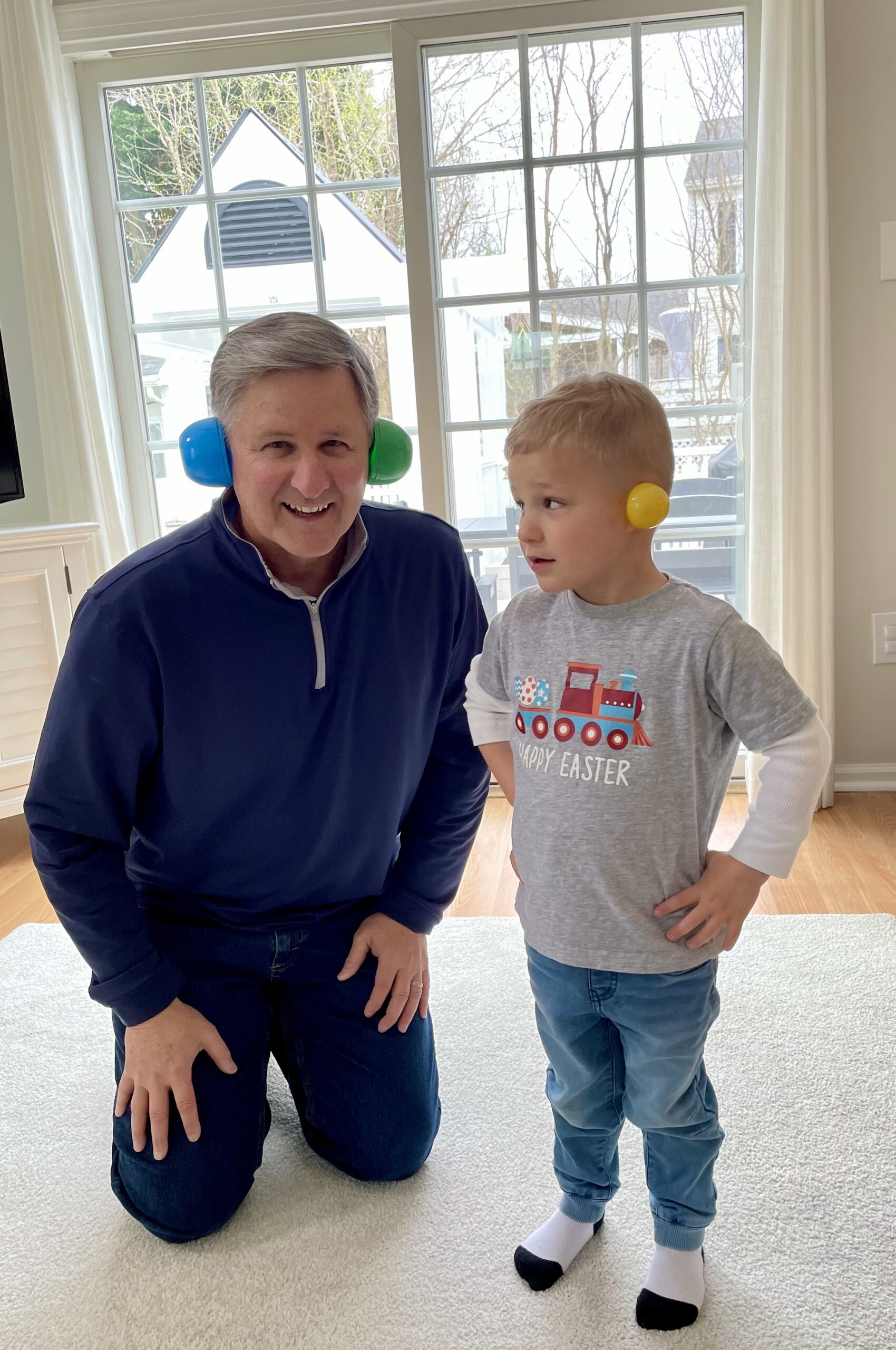
John and Grandson
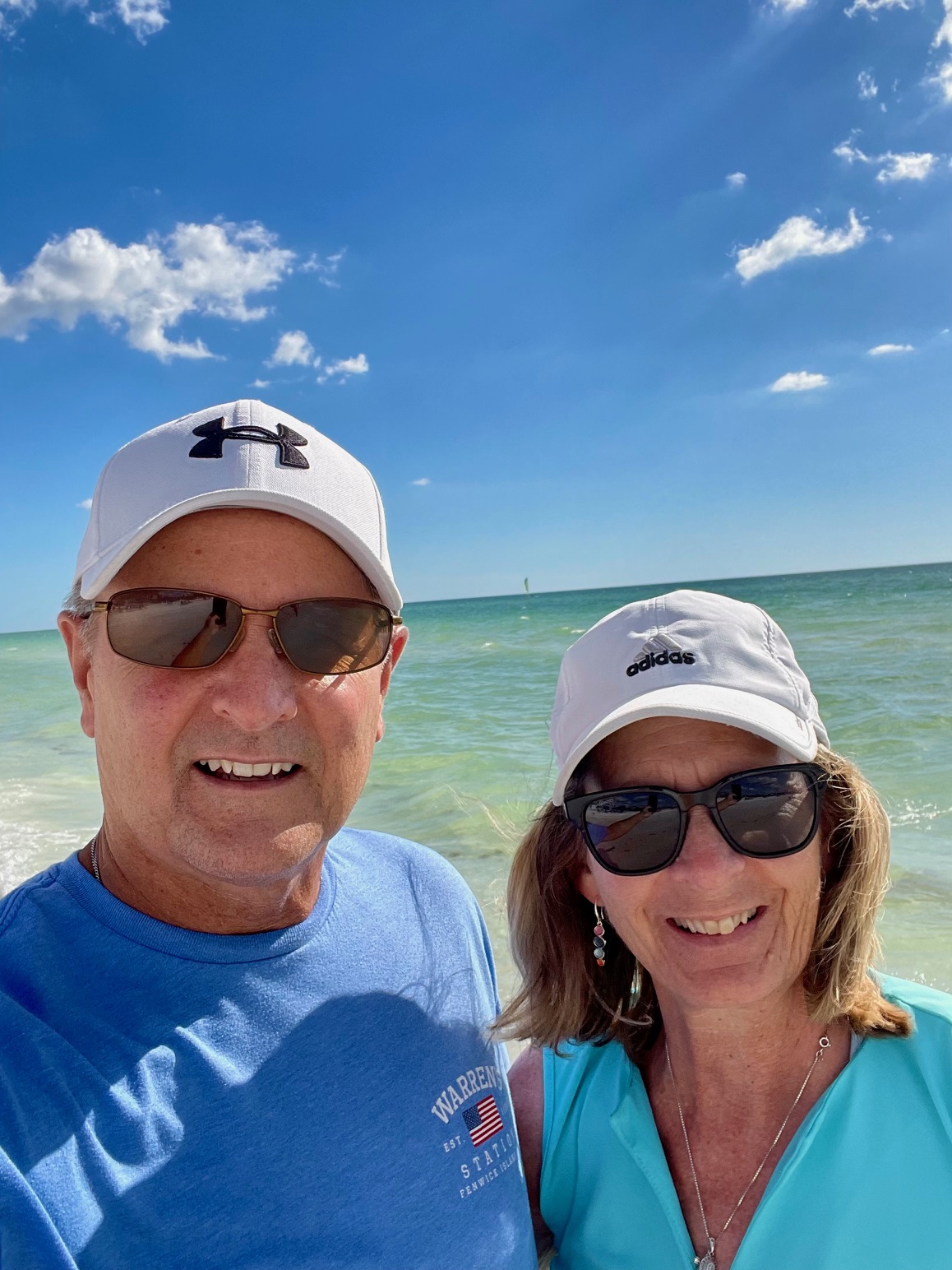
John and Mary
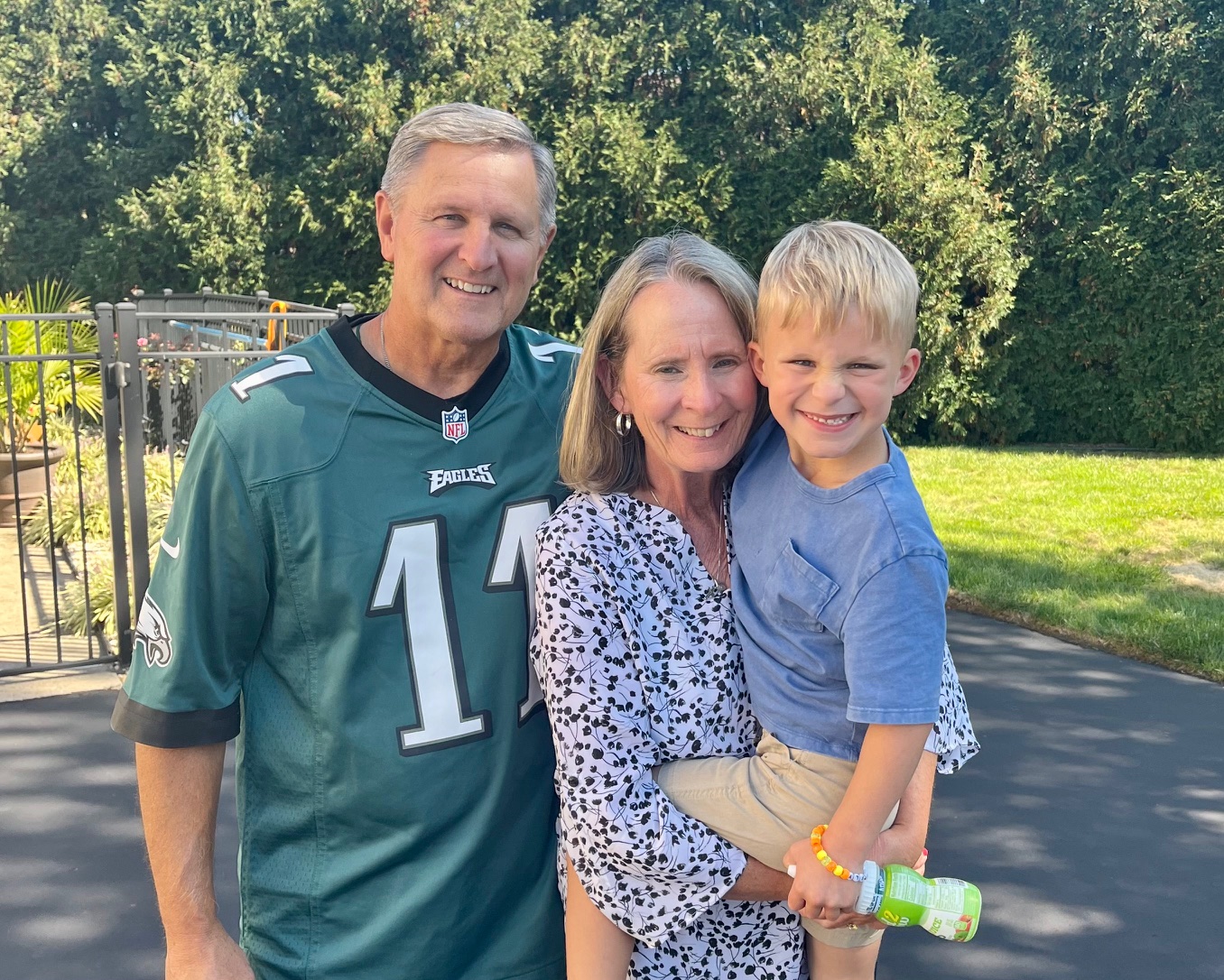
John, Mary, and Grandson
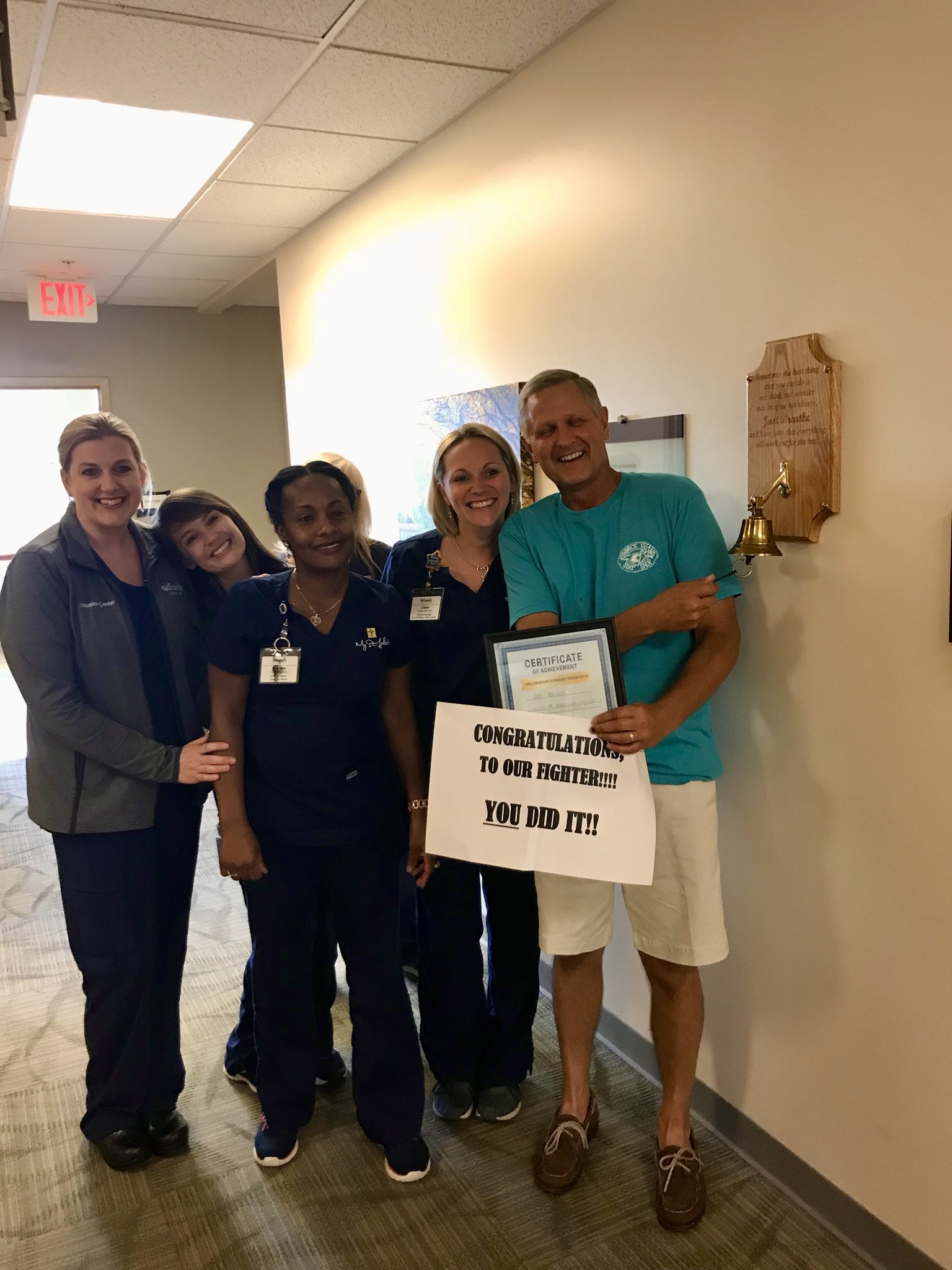
\"End of 1st Course of Chemo\" – After MOAS and a course of Folfox I had lost 35 pounds. My infusion team at SLUHN Anderson was phenomenal. It may sound strange, but we had a lot of fun over the years. \"Team Margaritas\"
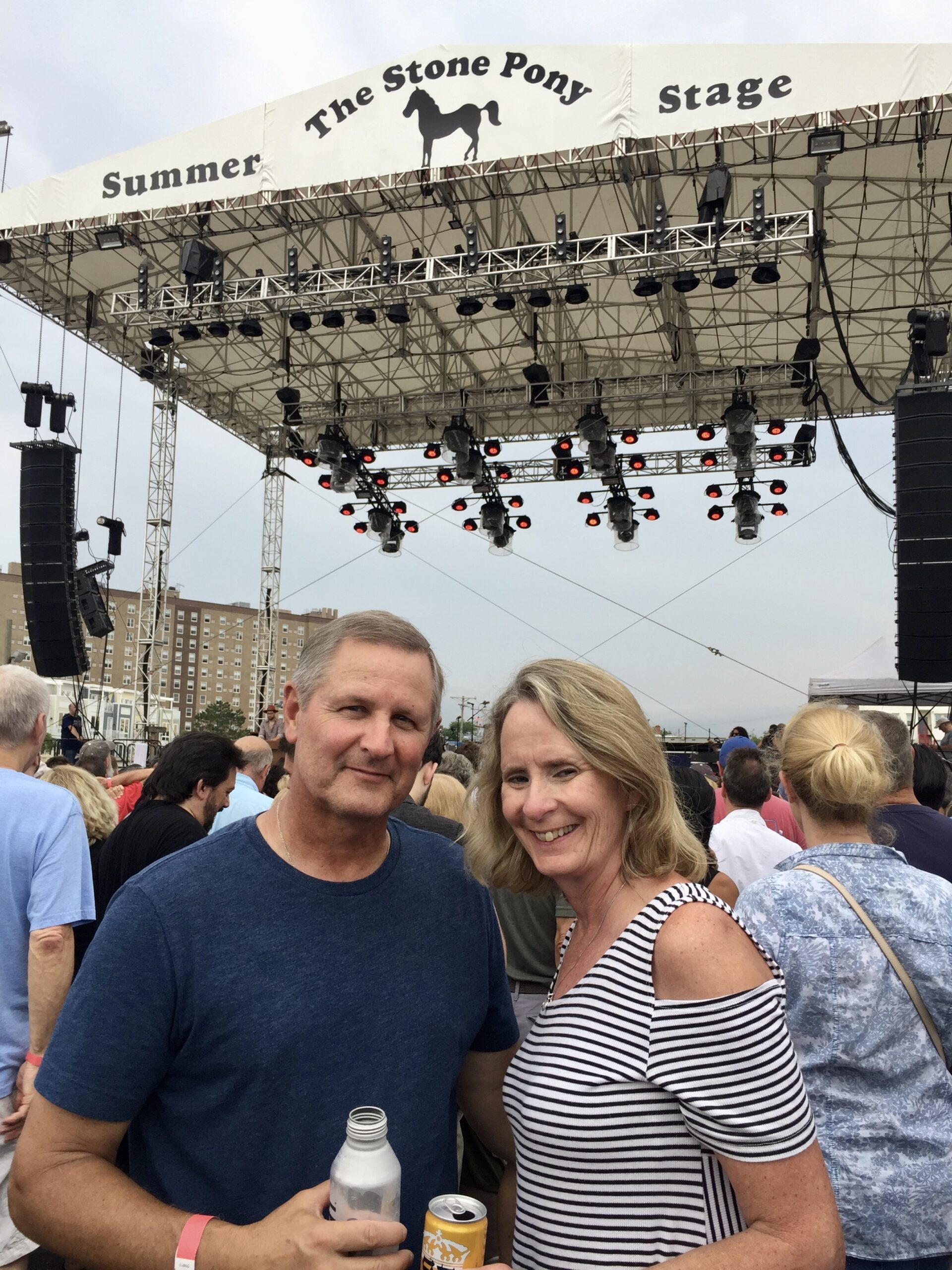
\"End of 2nd Course of Chemo\" – We celebrated with good friends at the Jersey Shore. This evening watching Southside Johnny and the Jukes, Bruce Springsteen made a guest appearance and joined them.
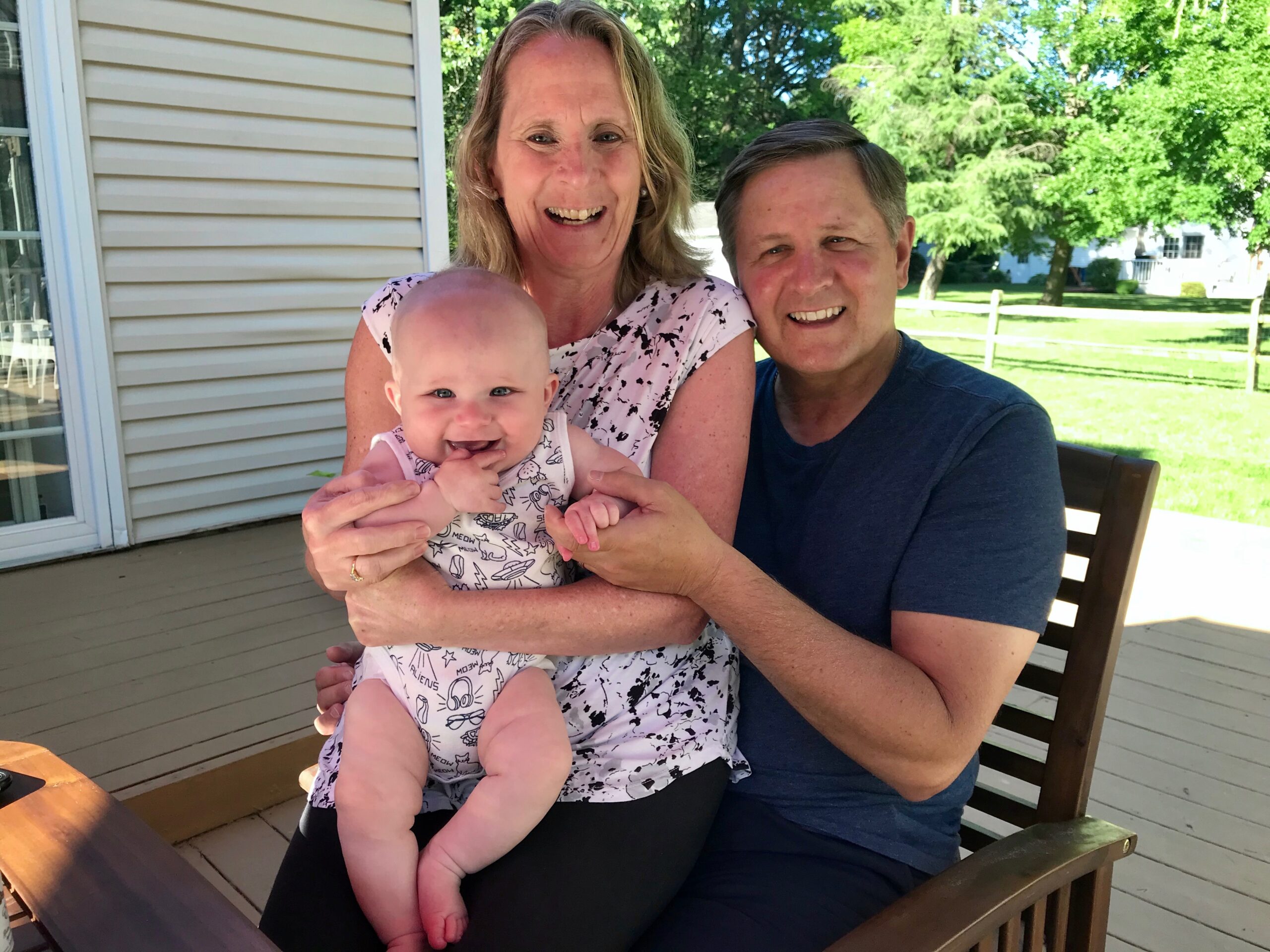
\"July 2020\" – We welcomed our grandson, James, in January 2020 shortly after a surgical excision. What a joy! I was blessed to celebrate many wonderful family events, including the weddings of a son and daughter. This picture was taken at my son’s place in Maryland shortly after SBRT on a lung tumor.
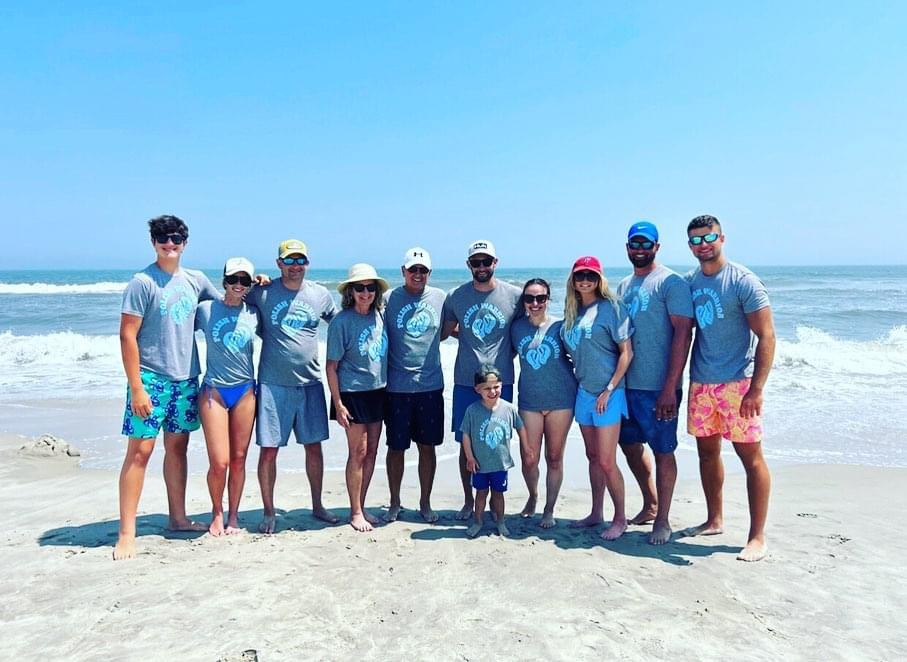
My Family
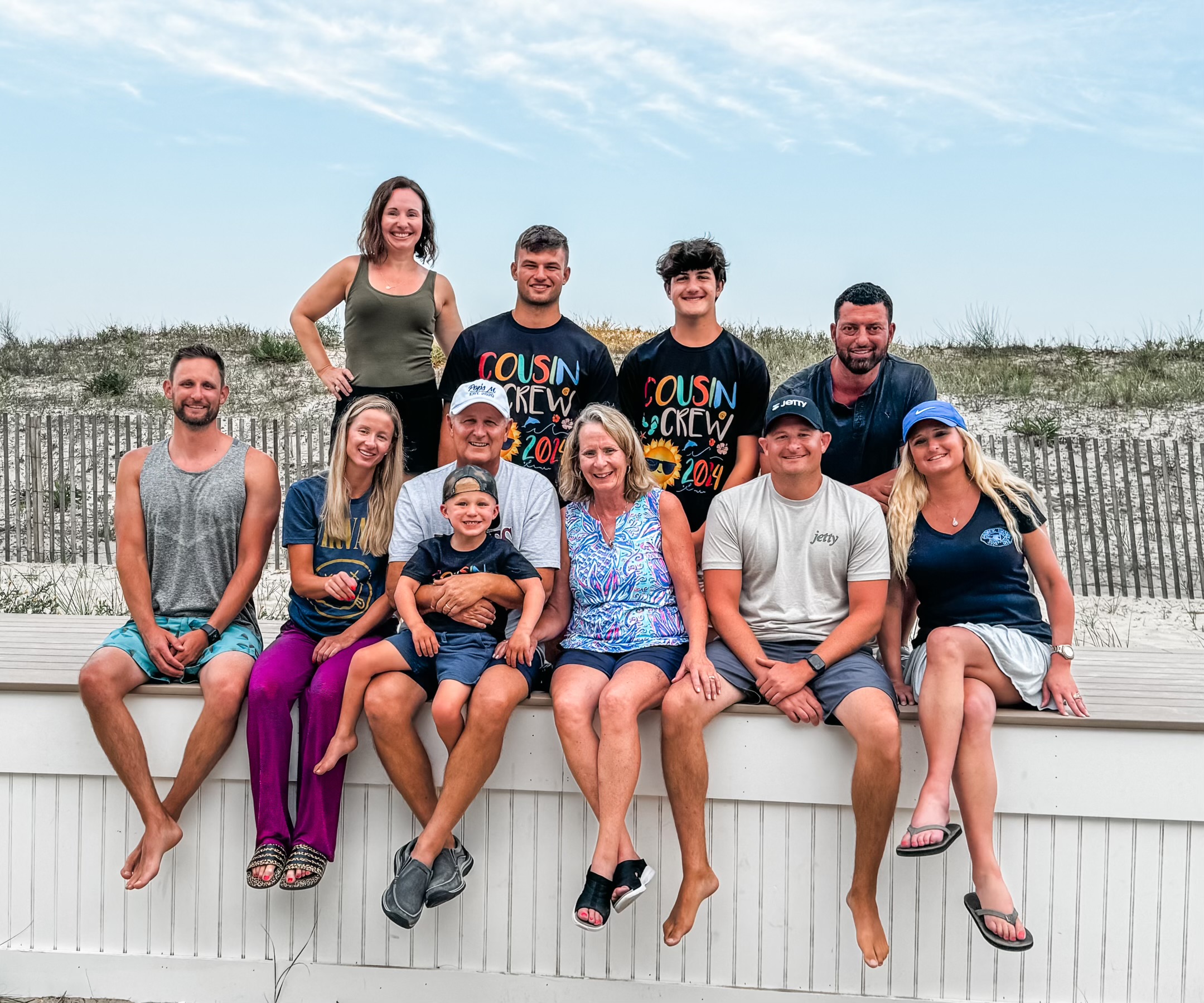
My Family
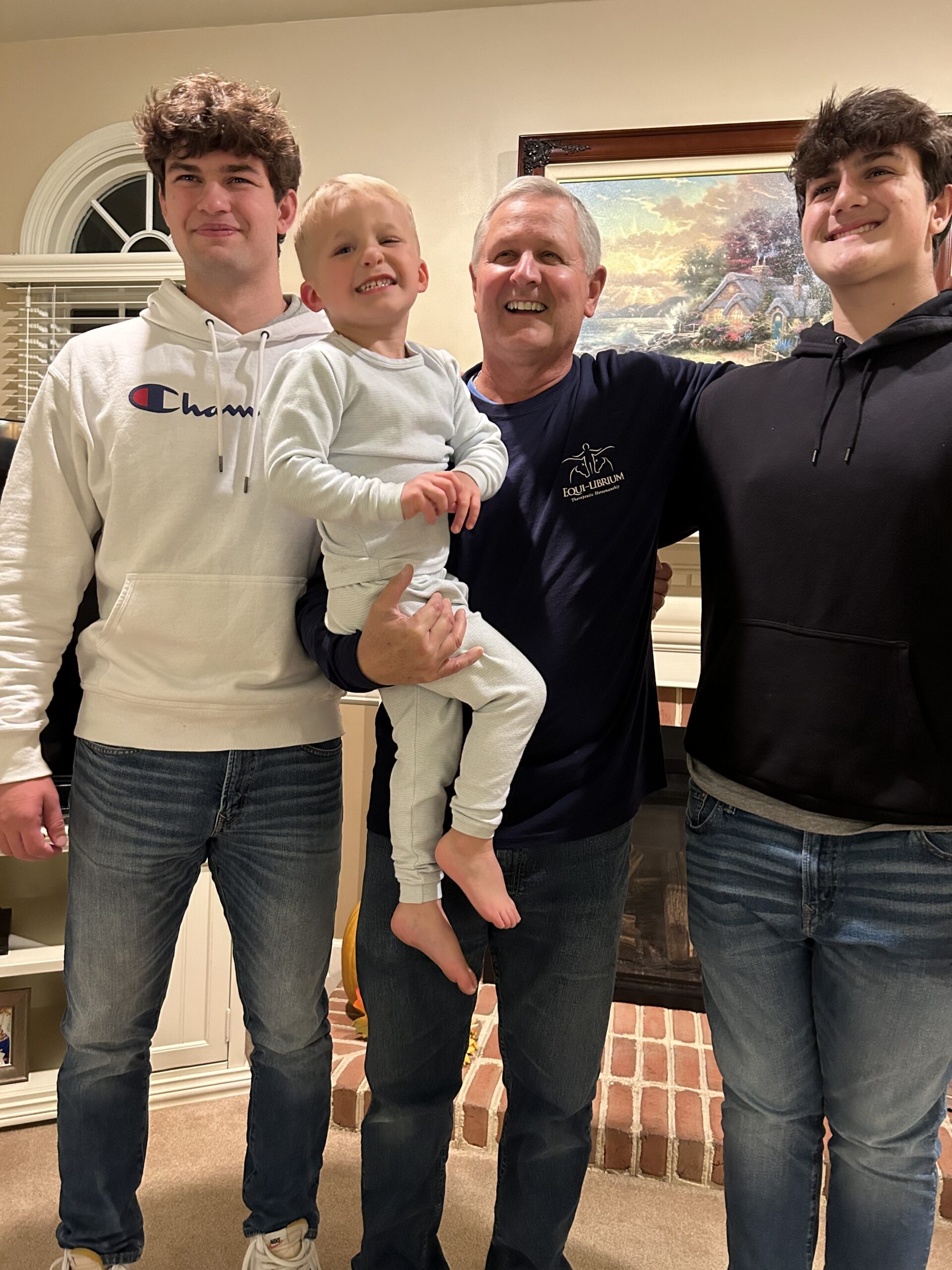
My Three Grandsons
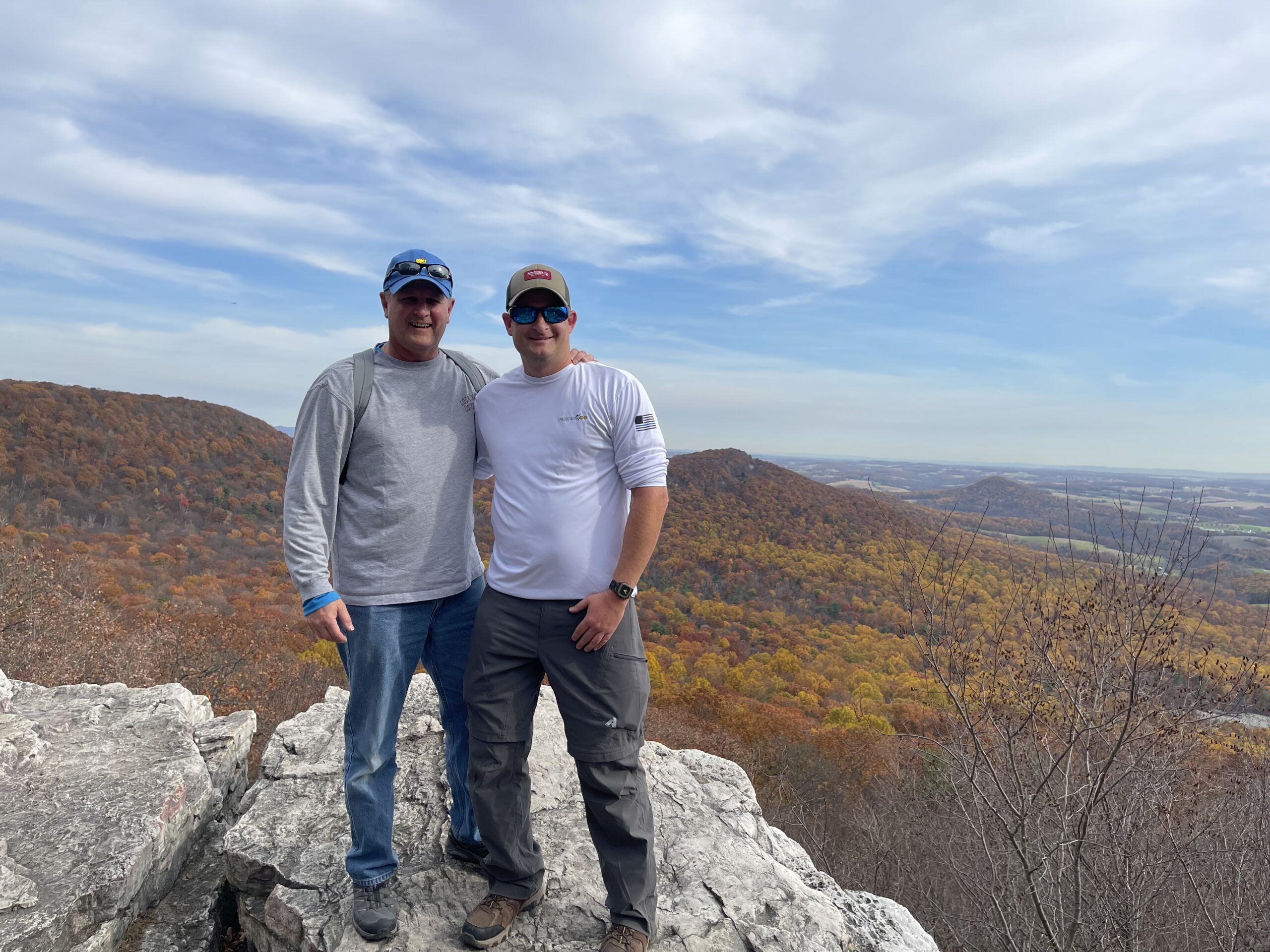
I wasworking to regain strength after a stretch of treatments. My son, Stepehen, thought a 3.5 mile hike up to Pulpit Rocket was just what I needed. He was right! So much fun and a beautiful view.
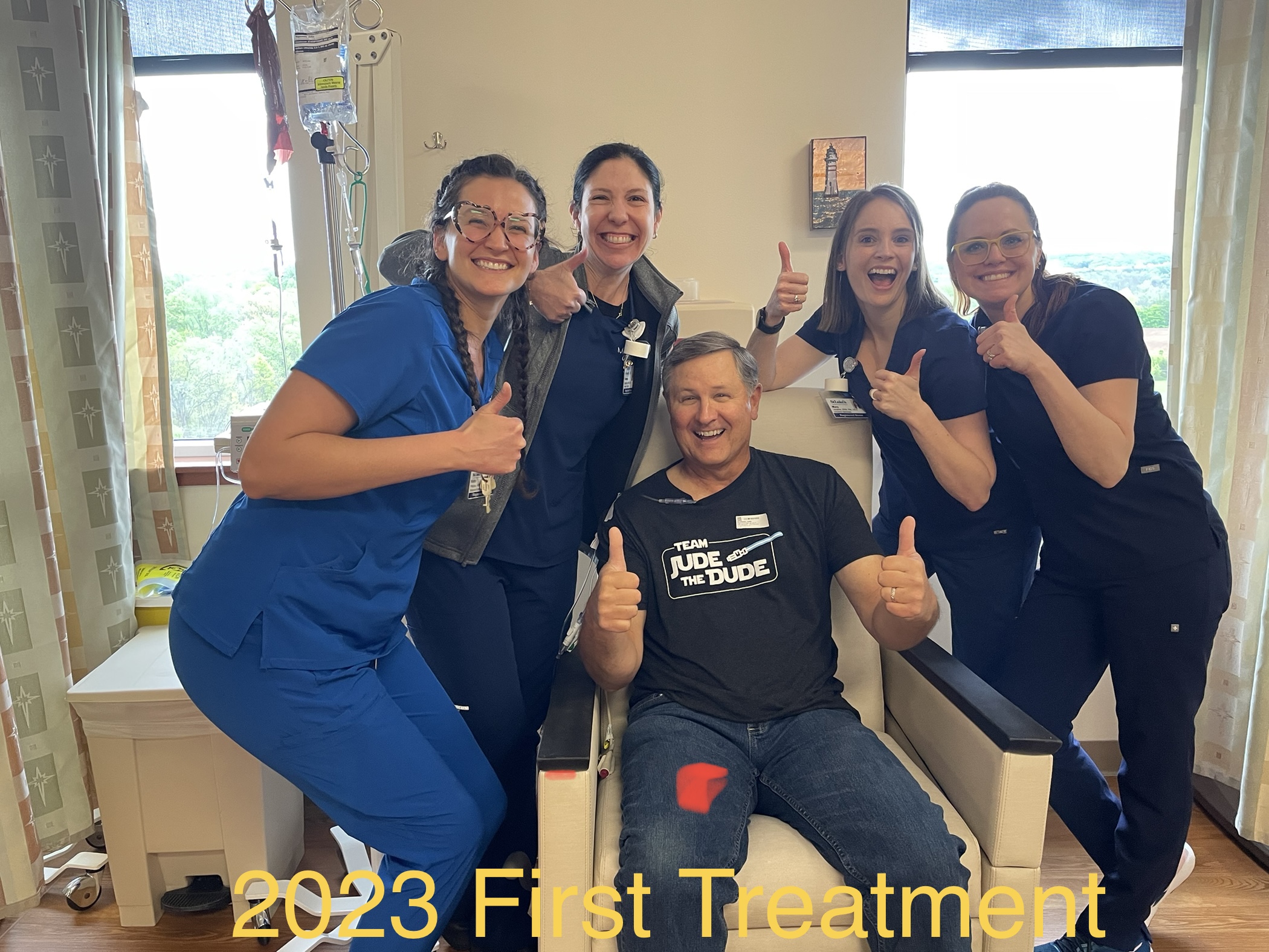
My 7-year-old great nephew was undergoing chemo after a success surgery to remove a brain tumor. We would text updates back and forth during treatments. Some of Team Margaritas joined me for this one. Jude has been cancer free!
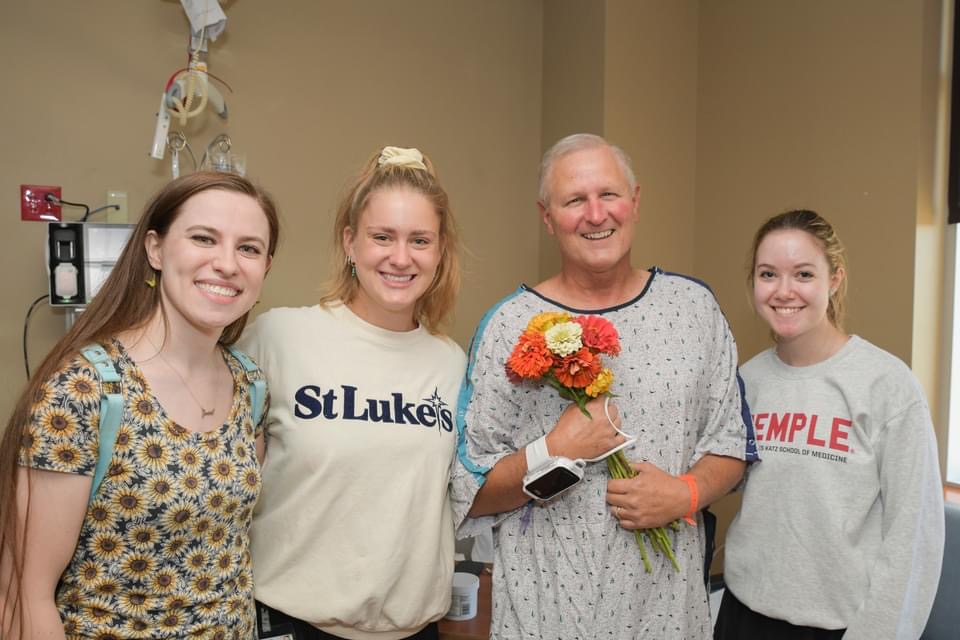
My second bowel obstruction became evident near the end of an infusion (my last cycle of the 4th course of chemo). I went direction from the infusion center to the ER. During my weeklong vacation in the hospital a group of medical students visited and brought me flowers. How sweet. This picture was on SLUHN’s Facebook site.
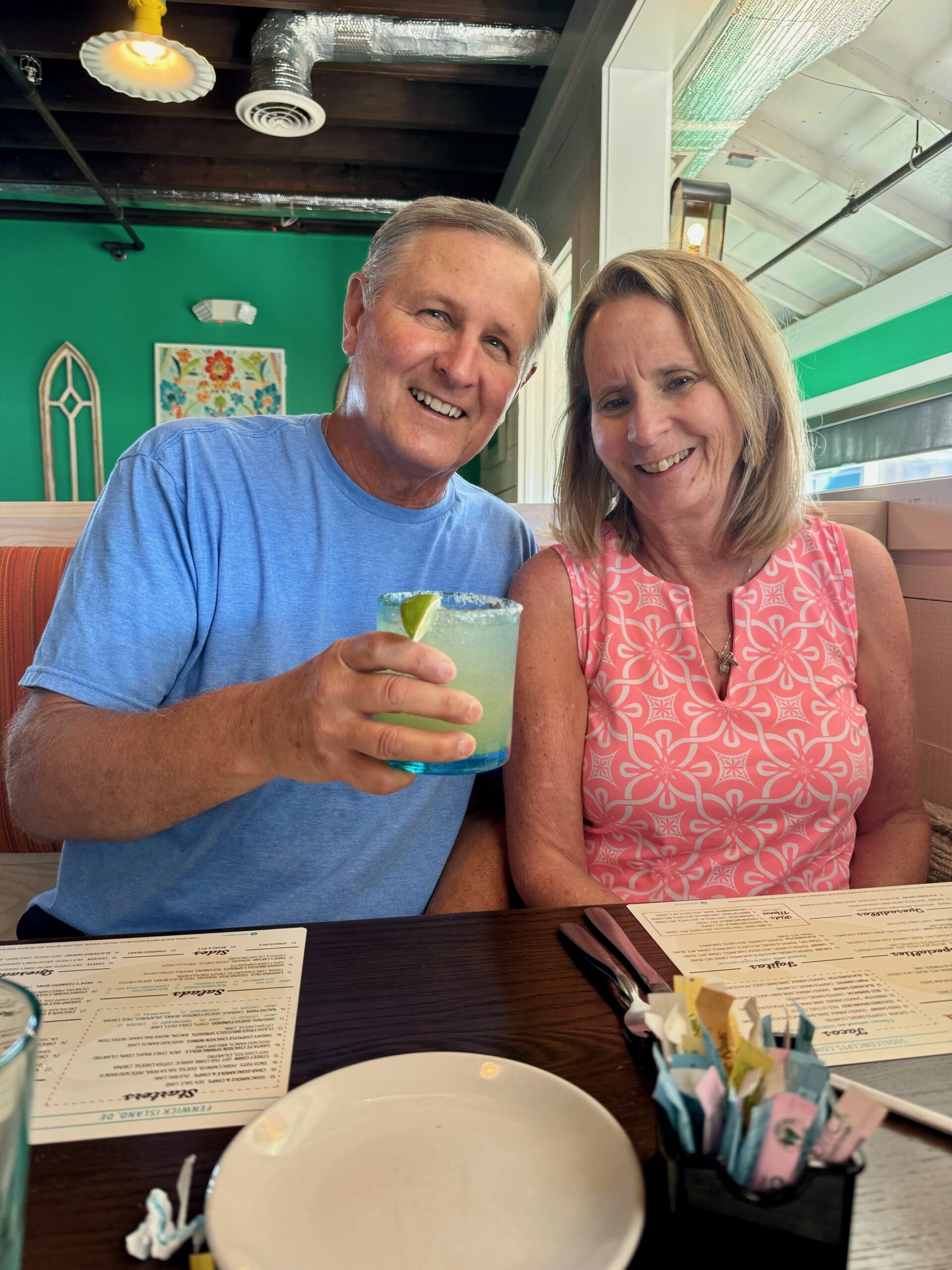
Margarita Therapy